

Introduction
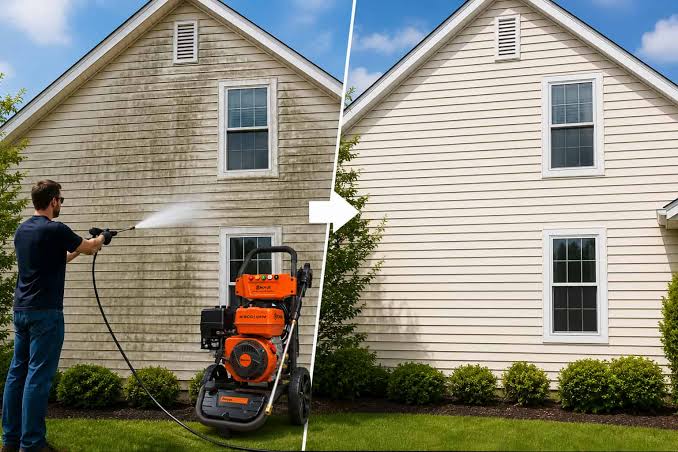
Exterior surfaces face rain, airborne grit, organic growth, and vehicle residue throughout the year. When dirt stays in joints or porous materials, moisture can linger and stains may deepen. Rough cleaning can then strip coatings, loosen pointing, or mark softer finishes. Professional pressure washing uses a controlled process to remove buildup while protecting the material underneath. Good planning starts with inspection, suitable settings, and clear runoff management, rather than one pressure for every property.
Spot Damage Before Cleaning
Exterior grime can hold moisture against brick, paving, siding, and timber, encouraging staining, algae, or gradual wear. A local service such as pressure washing Southampton can clear deposits with equipment selected for the material and condition. The right approach removes contaminants without treating every surface as if it can withstand the same force.
Match Pressure to Material
Brick, concrete, timber, and painted cladding respond differently to water force. Dense paving may tolerate a stronger rinse than aged mortar or softwood, yet condition matters as much as material. A contractor should inspect cracks, loose joints, flaking paint, and previous repairs before choosing a method. Testing a small hidden area can reveal whether the finish lifts, darkens, or suffers abrasion.
Protect Joints and Coatings
Incorrect technique can widen hairline cracks, dislodge pointing, or drive water behind cladding. A trained operator adjusts nozzle distance, angle, and flow instead of holding the spray close. Sensitive areas may need a lower setting or a gentler wash. This reduces the chance of stripping protective layers that help block rain and slow future deterioration.
Preserve Masonry
Cleaning does not repair a failed seal or replace missing mortar. Before work begins, damaged joints and open gaps should be recorded, then repaired at the right stage. Directing a concentrated jet into weak seams can force moisture deeper into the wall. Careful preparation helps preserve sound masonry and prevents a clean appearance from hiding an unresolved defect.
Control Water Runoff
A wash can send grit, moss, and cleaning solution into drains or garden beds. Before starting, the crew should identify nearby outlets, vulnerable plants, and areas where water could pool. Suitable barriers and controlled rinsing help limit unwanted runoff. This matters because repeated standing water can stain paving, affect soil, or leave damp patches beside foundations.
Remove Growth Carefully
Algae and moss can retain water on paths, walls, and roof edges. Their removal may reduce prolonged dampness, but force alone is not always the answer. A suitable treatment can loosen growth before rinsing, reducing the need for an aggressive jet. Nearby plants and sensitive finishes should be protected, while the selected product must suit the surface being treated.
Use Equipment with Control
Professional equipment offers adjustable flow and interchangeable nozzles, allowing the operator to match the wash to the task. A broad spray can cover suitable paving efficiently, while delicate details may need manual cleaning. Operators should maintain a steady distance and keep the nozzle moving. These controls limit concentrated impact, uneven marks, and unnecessary wear across exposed finishes.
Set a Sensible Cleaning Schedule
A fixed annual wash is not right for every property. Shaded walls, tree cover, coastal exposure, and heavy foot traffic can all change how quickly deposits collect. Regular visual checks help owners act before growth becomes thick or joints remain damp for long periods. Cleaning when needed, rather than on an arbitrary calendar, avoids needless wear and expense.
Check the Work Afterwards
A final inspection can identify missed patches, disturbed pointing, or coating damage while the crew is still present. Drains and surrounding areas should also be checked for leftover debris. The owner can compare the cleaned finish with photographs taken beforehand, noting any stains that remain. Some marks may require a separate repair, since washing cannot restore material that has already deteriorated.
Choose an Experienced Contractor
Before booking, property owners should ask how the contractor assesses surfaces, selects settings, and protects nearby areas. A clear quote should state the work included, any cleaning agents, and arrangements for water and runoff. Proof of insurance and relevant experience provide added reassurance. Open discussion about fragile finishes or previous repairs helps the operator plan suitable precautions.
Conclusion
Professional washing helps protect exterior finishes when preparation and technique suit the property. Inspection can reveal weak joints, peeling coatings, or gaps that need attention before water is applied. Appropriate equipment, controlled rinsing, and runoff care then remove deposits without unnecessary force. Owners benefit from checking results and scheduling future work according to actual conditions. Clean surfaces look cared for, while sound maintenance helps limit moisture-related wear and avoid preventable repairs.