

Introduction
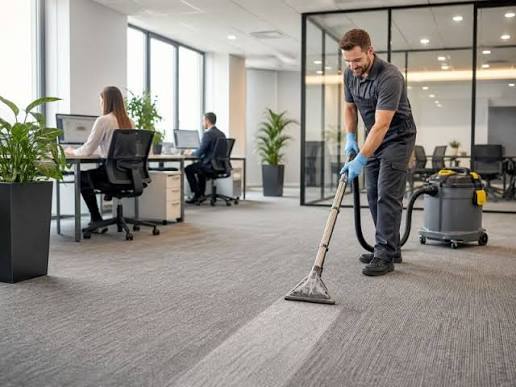
Clean flooring shapes how employees and visitors experience a business. In busy offices, carpet collects tracked-in soil, spills, and fine particles that routine vacuuming may leave behind. Professional care can remove embedded debris, improve appearance, and support a regular maintenance plan. The right approach depends on carpet type, foot traffic, and working hours. With practical scheduling and clear service details, businesses can maintain cleaner shared spaces while limiting disruption to daily operations.
Plan the Service Carefully
Workplace managers can compare cleaning methods, service scope, and access arrangements before booking. For offices across Adelaide, professional carpet cleaners adelaide can help keep carpet care in the hands of trained technicians while staff focus on normal duties. A clear quote should state room sizes, treatment options, expected drying time, and any extra charges. This information makes planning easier and reduces disruption.
Address Traffic and Soil
Entrances, corridors, meeting rooms, and reception areas often receive heavier foot traffic than private offices. Soil carried in on shoes can settle into fibres, while repeated walking may press particles deeper into the pile. Regular vacuuming removes loose debris, but it cannot replace periodic deep cleaning. A site review can identify high-use zones and help managers choose a service frequency suited to actual conditions.
Support a Healthier Interior
Carpet can hold dust and other particles that affect indoor comfort, particularly in shared spaces. Bensons Cleaning’s service page notes that nearly 100,000 dust mites may live in one square metre of carpet. The figure highlights why routine care matters, though cleaning alone cannot guarantee relief from allergies. A consistent plan, paired with good ventilation and regular vacuuming, can contribute to a cleaner workplace.
Maintain a Professional Appearance
Stains and visible walk paths can make an otherwise tidy office appear neglected. Clean flooring supports a more presentable reception area and helps meeting rooms feel ready for clients or staff. Managers can keep a simple record of recurring marks, spills, and heavily used sections. That information helps technicians assess problem areas and recommend suitable treatment rather than applying the same process everywhere.
Protect Carpet Fibres
Embedded grit can rub against fibres under repeated foot traffic, contributing to wear over time. Removing that soil can support better appearance and longer carpet use, although outcomes depend on material, age, and existing damage. Prompt attention to spills also reduces the chance of lasting marks. Staff should follow the carpet manufacturer’s care guidance and avoid untested products that may leave residue or alter colour.
Choose a Suitable Method
Steam cleaning uses hot water under pressure to help loosen and extract dirt from carpet fibres. Dry encapsulation uses a cleaning agent and agitation, with lower moisture levels and typically quicker drying. Bensons Cleaning lists both options, plus a combined deluxe service. The appropriate choice depends on carpet condition, fibre type, access, and available downtime, so managers should request advice before confirming the booking.
Schedule Around Business Hours
Cleaning during quiet periods can reduce interruption to staff and customers. Evening, weekend, or staged appointments may suit different workplaces, depending on building access and technician availability. The service page states that carpets may be walkable within one to two hours after steam cleaning, though actual drying can vary. Managers should confirm timing for the specific job and keep treated sections clear until ready.
Prepare the Work Area
A short preparation checklist can make the appointment more efficient. Staff can remove small items, secure confidential papers, and identify areas needing stain attention. Managers should confirm which furniture technicians will move and whether power, water, or building access is required. Clear instructions about alarms, lifts, and entry points help prevent delays. A named workplace contact can answer questions on the day.
Budget With Clear Details
Costs depend on room dimensions, carpet condition, and required treatments. Bensons Cleaning lists standard cleaning for two rooms from $235 and deluxe cleaning from $315, based on standard room sizes of 13 square metres. Those figures are not a commercial quote. The provider states that final pricing depends on inspection, so business managers should request written costs covering the full work area and any extras.
Check Service Credentials
Before booking, managers can verify technician qualifications, insurance arrangements, and cleaning procedures. Bensons Cleaning states that its technicians follow Interactive Training Certification and Institute of Inspection Cleaning and Restoration Certification codes of ethics. Businesses should confirm relevant details directly, especially where building policies require evidence of insurance or specific site practices. Written confirmation helps procurement teams compare providers using consistent criteria.
Review the Results
After the appointment, managers can check treated areas for remaining marks, residue, or damp patches. Any concerns should be reported promptly, while details remain fresh. A basic log can record the date, method, areas serviced, and suggested next visit. Comparing those notes over time helps businesses adjust cleaning frequency based on traffic and results, rather than relying on guesswork.
Conclusion
Professional carpet care supports a cleaner business environment through targeted soil removal, improved presentation, and planned maintenance. Managers can get better results by identifying high-traffic zones, selecting an appropriate method, and scheduling work around operations. Clear quotes and confirmed drying times also help staff return to treated areas safely. A practical, documented routine gives businesses a reliable way to care for flooring and keep shared spaces ready for everyday use.