

Introduction
Rugs add warmth, colour, and comfort to Adelaide homes, yet daily foot traffic gradually pushes grit into their fibres. Small maintenance habits can slow wear, reduce stain damage, and limit the need for costly replacement. A practical routine also helps households spot moisture, fading, and odours early. Regular care takes minutes each week, while professional attention remains useful for deep soil, delicate materials, and persistent marks that ordinary equipment cannot remove.
Build a Simple Routine
A consistent schedule gives floor coverings longer service and fewer sudden cleaning costs. Households can record vacuuming, stain treatment, and professional appointments on a shared calendar. For specialised help, rug cleaning in Adelaide offers a useful option when embedded soil, delicate fibres, or strong odours resist home methods. Early action usually requires less water, effort, and drying time than delayed treatment.
Vacuum With Care
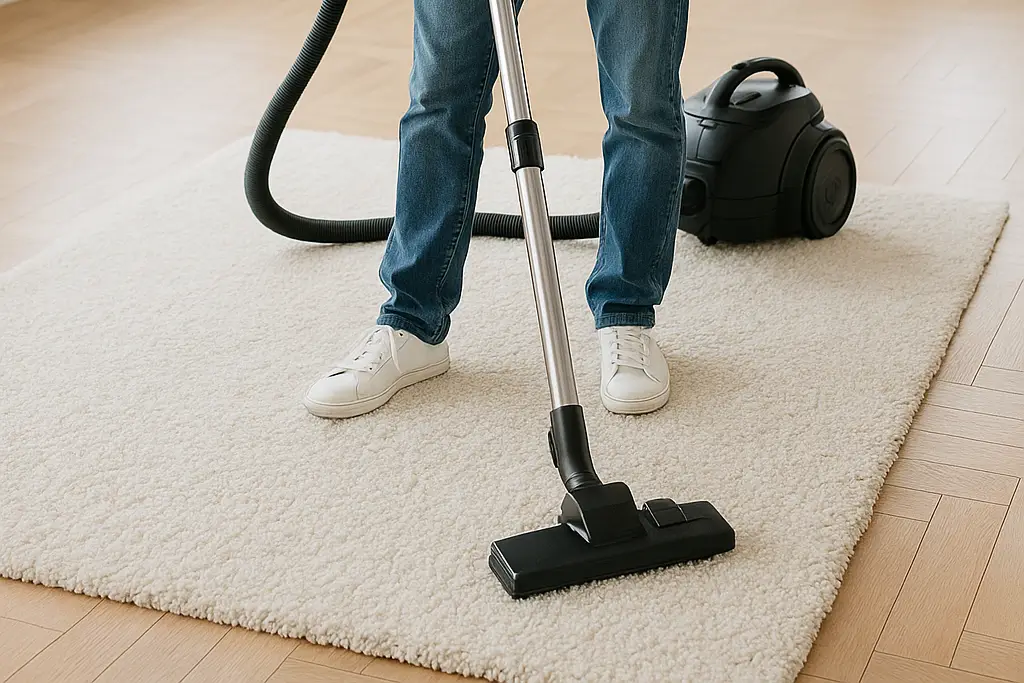
Vacuuming removes loose grit before walking presses particles into the pile. Most households benefit from one slow pass each week, with extra attention near entrances and seating areas. Low suction settings protect fragile edges and raised patterns. A clean filter maintains airflow, while an empty collection chamber improves pickup. Rotating the item every few months also spreads traffic across less-used sections.
Treat Spills Quickly
Fresh spills become harder to remove after drying or repeated contact. A white cloth should blot liquid from the outside toward the centre, preventing spread. Rubbing can roughen fibres and force pigment deeper. Clear water may remove small marks, but coloured drinks, oil, and pet accidents need cautious handling. Product labels deserve attention, since unsuitable chemicals can bleach dyes or leave sticky residue.
Match Care to Fibre
Wool, silk, cotton, jute, and synthetic materials respond differently to moisture, heat, and agitation. A fibre label provides the first guide for safe maintenance. Colourfastness testing on a hidden corner can prevent visible damage. Natural fibres often need controlled drying, while woven constructions may shift after saturation. Professional inspection is sensible for antique pieces, hand-knotted designs, fringes, or unstable dyes.
Control Indoor Moisture
Moisture creates extra risk after washing, spills, or seasonal humidity. Rugs should dry fully before furniture returns to its position. Air movement from open windows or fans can shorten drying time, provided direct sunlight does not fade the surface. Furniture cups reduce compression beneath heavy legs. Any musty smell, rippling, or damp backing deserves prompt attention before fungal growth affects surrounding materials.
Protect Busy Zones
Entry points collect sand, soil, and outdoor residue faster than quiet rooms. Washable runners, entrance mats, and footwear-free household rules reduce the load reaching larger floor coverings. Felt pads beneath furniture help prevent crushing and scraping. Clear plastic protectors can shield high-contact areas, although they need regular cleaning to avoid trapping grit. Simple barriers often cut maintenance hours across a full year.
Plan Deep Cleaning
Home vacuuming handles surface particles, but embedded soil remains below the visible pile. A local service page reports that one square metre can contain up to 100,000 dust mites, which may contribute to household allergens. Steam or dry methods suit different constructions and moisture limits. A technician can inspect the material before selecting equipment, reducing the chance of shrinkage, dye movement, or prolonged dampness.
Compare Long-Term Costs
Replacement prices usually exceed routine maintenance, especially for wool, silk, Persian, and hand-finished pieces. Households can compare cleaning fees with the item’s age, condition, and replacement value. A yearly budget prevents neglected care from becoming an emergency expense. Records of stains, repairs, and previous methods help technicians avoid unsuitable treatments. Planned appointments also make scheduling easier during busy periods.
Use Safe Household Products
Strong powders, chlorine products, and fragranced sprays can damage fibres or leave residues that attract fresh soil. Mild, material-appropriate products are safer for regular spot care. Children and pets should remain away until treated sections dry completely. Testing a hidden area remains important, even with gentle formulas. Storage containers should stay sealed, since moisture and heat can change product performance.
Conclusion
Smart rug care depends on small, repeatable choices rather than constant effort. Weekly vacuuming, quick blotting, fibre checks, moisture control, and protective barriers can preserve appearance while lowering repair and replacement costs. Deep cleaning adds value when soil reaches the base or allergens become a concern. With accurate records and suitable methods, households can keep valuable floor coverings fresher, safer, and useful for longer.