

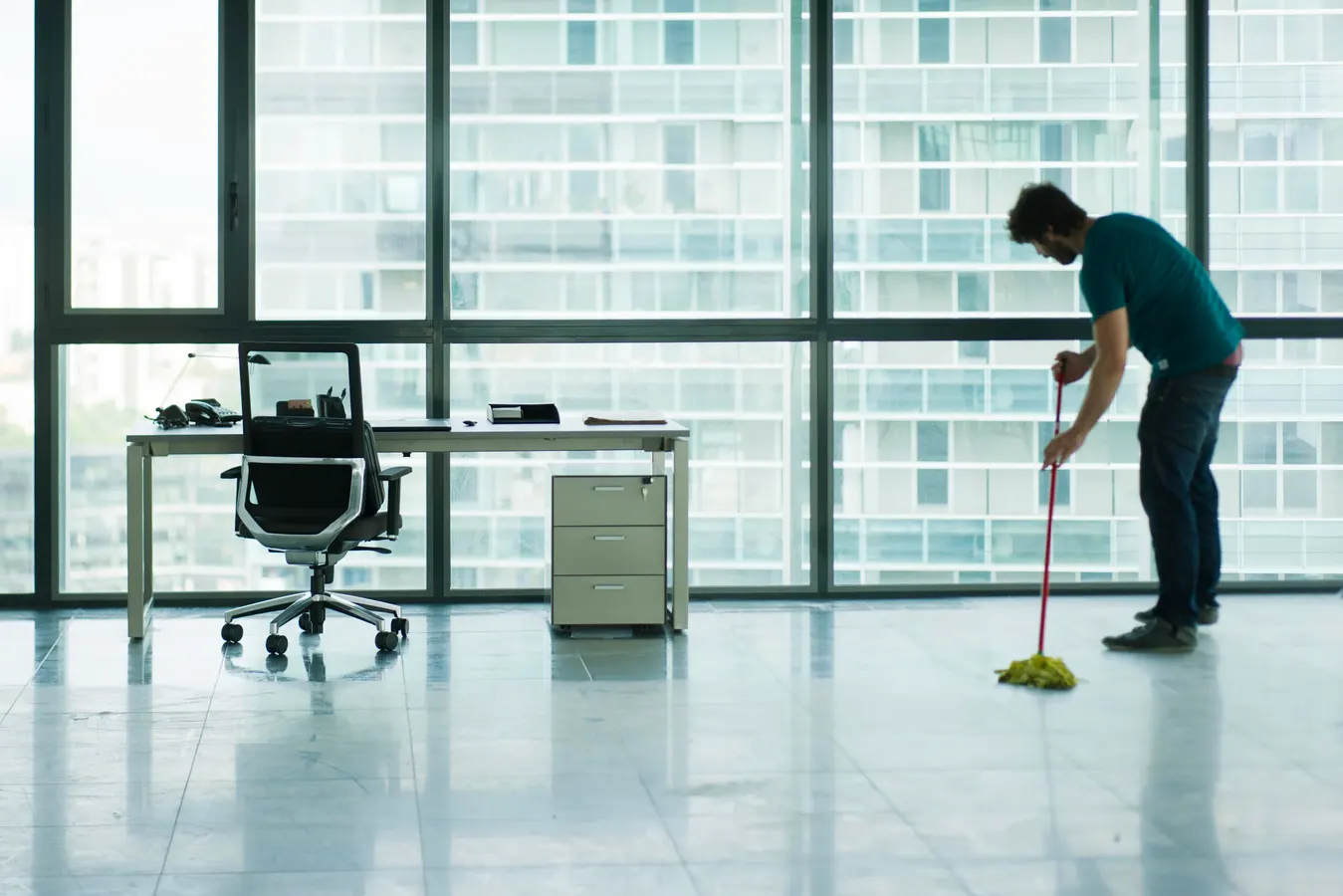
Maintaining a clean and organized commercial space is essential for both safety and efficiency. Businesses that prioritize cleanliness create environments that promote productivity and well-being. Proper cleaning practices reduce the risk of illness, minimize accidents, and improve the overall appearance of the facility. A structured approach to cleaning ensures that all areas receive consistent attention and meet health standards. This guide outlines key practices that organizations can adopt to maintain hygienic and orderly workplaces.
Planning and Scheduling
Effective commercial cleaning begins with planning. Establishing a routine schedule ensures that all areas of a facility are addressed regularly. High-traffic zones require more frequent attention than less-used spaces. Creating a cleaning calendar helps staff allocate time efficiently and ensures no areas are overlooked. A schedule should include daily, weekly, and monthly tasks, allowing for a systematic approach. Assigning responsibilities ensures accountability and prevents tasks from being neglected. Planning also allows for the allocation of appropriate cleaning supplies and equipment, reducing delays and interruptions during cleaning activities.
Choosing Appropriate Cleaning Supplies
Selecting suitable cleaning supplies is crucial for effective results. Different surfaces require different products to avoid damage and ensure proper sanitation. For instance, disinfectants for bathrooms may not be suitable for wooden flooring or electronics. Environmentally friendly products can provide safe alternatives without compromising cleanliness. Labels should always be read carefully to ensure correct usage and avoid harmful chemical reactions. Additionally, using high-quality microfiber cloths and mops can improve efficiency and reduce the spread of germs. Consistent training on the proper use of cleaning products also enhances safety and effectiveness.
Training Staff
Proper training is an essential component of commercial cleaning. Staff must understand the correct procedures for each cleaning task, including the use of chemicals and equipment. Training ensures that employees work safely and efficiently, reducing the risk of accidents. Instruction on hygiene practices, such as handwashing and proper waste disposal, supports overall workplace health. Clear guidelines on prioritizing tasks and handling emergencies improve consistency in service quality. Regular refresher courses and updates on best practices help maintain high standards and foster a culture of cleanliness within the organization.
Focus on High-Traffic Areas
High-traffic areas require special attention due to the increased risk of contamination. Entrances, hallways, and shared spaces accumulate dirt and germs faster than other areas. Regular cleaning of these zones helps prevent the spread of bacteria and maintains a professional appearance. Floor mats and barriers can reduce the amount of dirt brought into the facility. Disinfecting commonly touched surfaces, such as door handles, light switches, and elevator buttons, is essential for reducing infection risks. Consistent monitoring and cleaning of these areas create safer and more welcoming environments for employees and visitors.
Waste Management
Efficient waste management is a key element of maintaining a clean commercial space. Proper disposal of trash reduces odor, prevents pests, and supports hygiene standards. Clearly labeled bins for recycling, general waste, and hazardous materials encourage proper disposal habits. Waste should be removed regularly to prevent accumulation and overflow. Staff must follow safety guidelines when handling hazardous or sharp objects. Implementing a structured waste removal schedule ensures that the workspace remains clean and orderly. Proper waste management also reflects positively on an organization’s commitment to environmental responsibility.
Floor and Surface Care
Floors and surfaces require regular attention to maintain cleanliness and appearance. Hard floors benefit from sweeping and mopping to remove dirt and debris. Carpets and rugs should be vacuumed frequently and cleaned professionally when needed. Surface cleaning includes desks, counters, and communal areas, using appropriate disinfectants. Avoiding excessive moisture prevents damage and extends the lifespan of flooring and furnishings. Regular inspections help identify areas needing extra attention, such as spills or stains. Maintaining floors and surfaces is a visible demonstration of a well-managed and hygienic workplace.
Restroom Maintenance
Restrooms are critical areas for hygiene and require consistent attention. Daily cleaning of toilets, sinks, and floors is necessary to prevent the buildup of germs. Stocking hand soap, paper towels, and toilet tissue supports proper hygiene for all users. Disinfecting high-touch areas, such as faucets and door handles, reduces infection risks. Regular inspections ensure that facilities remain functional and presentable. Implementing clear restroom cleaning protocols helps staff maintain consistent standards and supports the overall health of the workplace.
Equipment and Tool Hygiene
Cleaning equipment itself requires proper maintenance to remain effective. Tools like mops, vacuum cleaners, and cloths can harbor bacteria if not cleaned regularly. Rinsing and sanitizing reusable items after use prevents contamination of surfaces. Storing equipment in designated, clean areas prolongs its lifespan and ensures readiness for future tasks. Regular checks for wear and damage maintain efficiency and safety. Proper equipment hygiene is as important as surface cleaning, supporting overall workplace health and safety standards.
Seasonal and Deep Cleaning
Deep cleaning should be incorporated periodically to address areas that are not part of the daily or weekly routine. Seasonal cleaning includes tasks such as carpet shampooing, window washing, and air vent dusting. These activities remove accumulated dirt and improve indoor air quality. Scheduling deep cleaning during off-peak hours minimizes disruption to business operations. Combining routine maintenance with periodic intensive cleaning ensures that a facility remains consistently clean and welcoming. Organizations that follow a comprehensive cleaning plan maintain higher standards of hygiene and employee satisfaction.
Monitoring and Quality Control
Monitoring cleaning efforts is essential for maintaining consistent quality. Regular inspections help identify areas that need improvement and verify that procedures are followed. Feedback from staff and occupants provides insights into effectiveness and satisfaction levels. Recording completed tasks ensures accountability and helps identify trends in problem areas. Continuous evaluation supports improvements and maintains high standards. Implementing quality control measures ensures that cleaning practices meet health guidelines and contribute to a safe and pleasant workplace.
Professional Cleaning Support
Some organizations choose to engage external providers for specialized tasks. Professional services can handle intensive cleaning, equipment maintenance, or specialized treatments. Businesses seeking high-quality outcomes may consider hiring Commercial Cleaning Services in St Heliers, which offer expertise in maintaining diverse commercial spaces. Utilizing professional support allows internal staff to focus on core business operations while ensuring that hygiene standards remain high. Collaboration with skilled providers can enhance efficiency and provide peace of mind regarding workplace cleanliness.
Conclusion
Effective commercial cleaning is achieved through careful planning, staff training, and adherence to best practices. Regular attention to high-traffic areas, waste management, and surface care maintains hygiene and promotes a professional environment. Periodic deep cleaning and proper equipment maintenance ensure that facilities remain safe, healthy, and appealing. Monitoring quality and considering professional support enhance consistency and effectiveness. Organizations that follow structured cleaning practices demonstrate a commitment to safety, productivity, and employee well-being. Adopting these best practices ensures that commercial spaces remain functional, welcoming, and properly maintained over time.