

Introduction
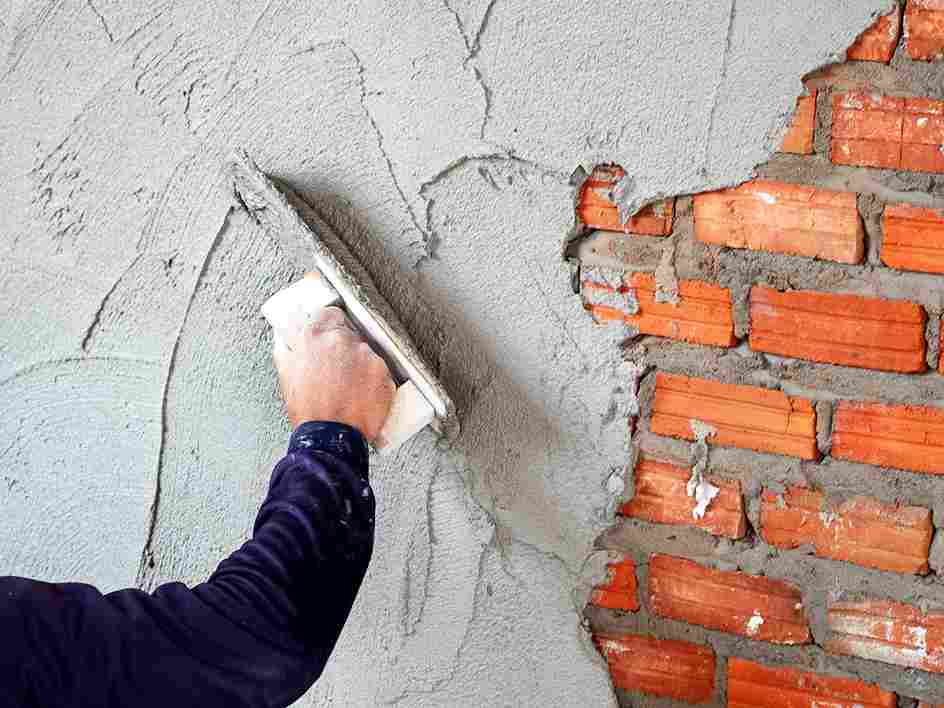
A renovation can change how a property looks and functions, but poor wall and ceiling finishes can undermine the result. Professional plastering creates even surfaces for paint, tile, cabinetry, and lighting. Its value comes from better presentation, fewer visible defects, and a finish that supports later work. Careful preparation also helps owners compare quotes and set realistic renovation budgets. Measurements, materials, and agreed finish standards make the process easier to assess before work begins.
Assess the Existing Surfaces
Before a renovation quote is accepted, walls, ceilings, and existing finishes should be assessed separately. For homeowners planning work in west London, plastering ealing may suit projects involving old skim, damaged corners, or uneven backgrounds. A clear scope records room dimensions, surface defects, access needs, and the finish expected. This gives contractors a consistent basis for pricing and helps owners identify which areas need repair or full replastering.
Create a Reliable Base
A smooth finish depends on the condition beneath it. Loose material, cracks, damp patches, and failing paint can affect how new plaster bonds. A qualified plasterer can inspect the substrate and explain whether patching, boarding, or a broader repair is appropriate. Addressing the cause of damage first helps prevent fresh cracks or peeling from appearing soon after decoration.
Improve the Finished Appearance
Uneven walls can become more obvious under strong daylight, wall lights, or glossy paint. Professional plastering provides a flatter base, helping decorative finishes appear more consistent. This can matter in living rooms, hallways, and kitchens, where long sightlines reveal surface flaws. A cleaner finish also helps trim, sockets, and fitted units sit neatly against surrounding walls.
Reduce Follow-Up Costs
Poor preparation may lead to extra filling, sanding, or repainting after other trades have finished. Rework adds labour and can delay a renovation schedule. A defined plastering scope helps owners identify the required repairs before decorating begins. Quotes should separate preparation, boarding, skimming, and waste removal where relevant, so differences between estimates are easier to compare.
Support the Next Trades
Plastering often sits between structural work and decoration. Electrical changes, plumbing, insulation, and new boards may need completion before a final skim. A coordinated schedule reduces the risk of fresh surfaces being cut open or damaged. The project plan should identify who prepares each room, when plastering starts, and how long surfaces need before paint or wallpaper is applied.
Choose a Suitable Finish
Different rooms and substrates may call for different plastering methods. Skimming can refresh a sound surface, while plasterboard may suit damaged or altered walls. Older buildings can require materials compatible with existing construction. The specification should state the intended finish and any special requirements, rather than relying on a vague description such as “make good.”
Record the Project Scope
A useful written scope lists room names, approximate square metres, ceiling heights, surface conditions, and requested work. Photographs can document cracks, water marks, or uneven sections before work starts. This record helps both parties discuss changes if hidden defects appear after preparation. It also creates a practical reference when reviewing the completed surfaces against the original agreement.
Check Quality Before Decorating
Once plaster has dried, the surface should be checked in natural light and with a straightedge where appropriate. Owners can look for ridges, hollows, rough patches, and clean edges around openings. Drying time varies with room conditions, substrate, and product, so decoration should wait until the plaster is ready. Following product guidance lowers the risk of trapped moisture affecting paint.
Compare Experience and Quotes
A low estimate may omit preparation, materials, or disposal, so the written breakdown matters. Owners can ask about relevant project experience, qualifications, insurance, timing, and who will complete the work. References or project photos can help assess finish quality. Clear answers make it easier to judge value, rather than choosing solely on the lowest initial price.
Conclusion
Professional plastering adds value by improving surface quality and supporting each stage that follows. A detailed inspection, written scope, and suitable method help control costs and reduce avoidable repairs. Consistent finishes also give paint, fittings, and lighting a better base, strengthening the overall impression of a renovated property. When owners compare clear quotes and check the work before decorating, plastering becomes a measurable part of renovation quality, not simply another line in the budget.