

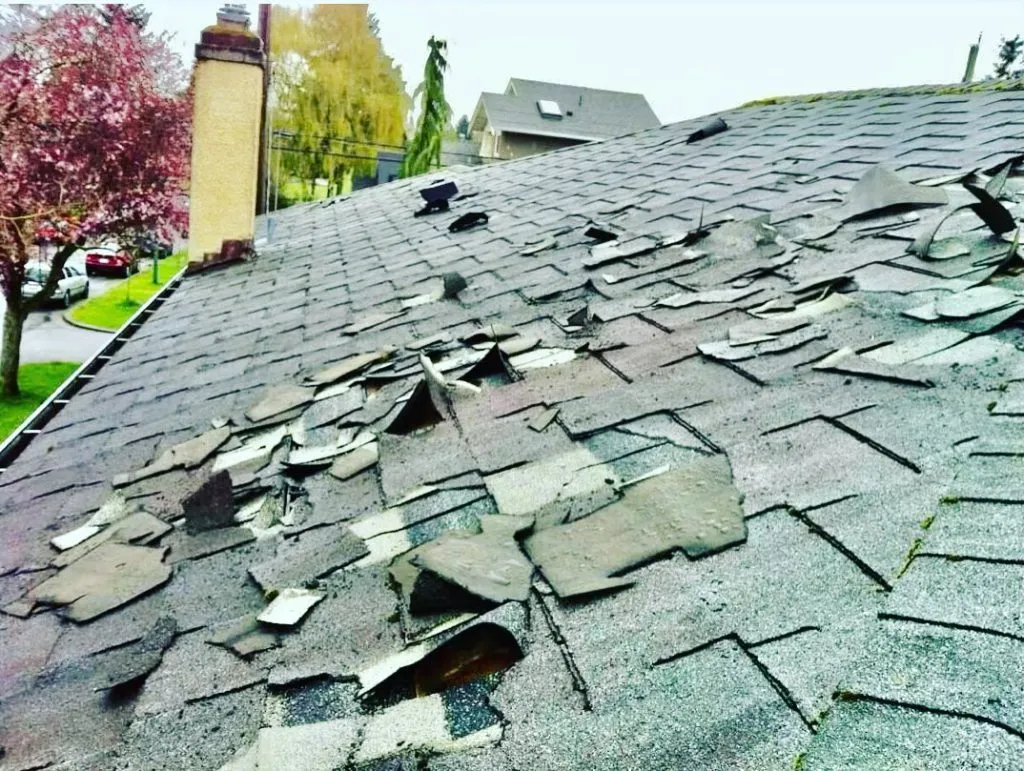
A leaking roof rarely remains a minor maintenance issue. Water can travel beneath tiles, insulation, and ceiling linings before it shows up as a stain indoors. Melbourne weather adds pressure through heavy rain, wind-driven water, and sudden temperature changes. Early repairs limit damage to timber, plaster, electrical fittings, and household contents. Recognising the warning signs and the repair process helps property owners act before a small leak becomes an expensive roof problem.
Recognising the Early Warning Signs
Property owners should arrange leaking roof repair in Melbourne after noticing water marks, damp insulation, or repeated drips following rain. A roofer traces the entry point, inspects nearby flashing and penetrations, then chooses a repair suited to the roof material. Prompt attention also prevents moisture from reaching timber framing, plasterboard, and electrical fittings inside the ceiling cavity.
A brown or yellow ceiling mark often means water has travelled from the original entry point. The stain may appear several metres from a damaged tile, flashing joint, valley, or ridge cap. Bubbling paint, peeling plaster, and a musty smell also point to moisture inside the roof space.
Water doesn’t always show up as a visible drip. Damp insulation, dark timber, mould growth, and sagging ceiling sections can reveal a slow leak. These signs require an inspection, even when the roof looks dry during the day.
Why Small Leaks Cause Serious Damage
A roof leak affects more than the external covering. Ongoing moisture weakens timber battens, roof framing, and ceiling materials. It also creates conditions for mould, which can spread across damp surfaces and affect indoor air quality.
Electrical fittings require careful attention. Water entering a ceiling cavity can reach light fittings, wiring, and smoke alarms. Occupants should avoid touching wet switches or fittings and arrange an urgent inspection when water appears nearby.
Insulation also loses performance after absorbing water. Wet insulation becomes heavier, settles unevenly, and dries slowly without suitable ventilation. Replacing damaged sections often becomes necessary after the original leak is repaired.
Common Causes Of Roof Leaks
Broken or displaced tiles are common sources of water entry. Strong winds can shift tiles, while falling branches can crack them. Small fractures can let water seep beneath the roof covering during heavy rain.
Flashing around chimneys, skylights, vents, and wall junctions also needs close inspection. These areas contain joints where roof materials meet, so failed sealants, corrosion, or poor installation can create entry points.
Blocked gutters and downpipes increase water pressure along roof edges. Leaves and debris restrict drainage, causing water to overflow beneath tiles or behind fascia boards. Regular cleaning reduces this risk, particularly before Melbourne’s wetter months.
Age also affects roof performance. Mortar bedding deteriorates, metal components corrode, and sealants lose their bond over time. Older roofs need condition checks when leaks continue despite previous patching.
What A Proper Repair Involves
A reliable repair begins by locating the actual entry point. Water can travel along sarking, timber, or insulation, so the first visible mark does not always identify the damaged area. An inspection should cover the surrounding roof surface, rather than focusing on one tile or joint.
The repair method depends on the material and the type of failure. A cracked tile requires replacement, while damaged flashing may need refitting or renewal. Deteriorated mortar can require repointing, and blocked drainage needs clearing before further repairs proceed.
Temporary sealant does not resolve every leak. It can conceal the affected area and delay proper work when the underlying issue involves movement, corrosion, or failed flashing. Repairs should restore the roof’s drainage path and resistance to rain.
After the repair, check the ceiling cavity for damp insulation, damaged timber, and residual moisture. Wet materials need adequate drying time, while mould-affected surfaces require suitable cleaning or replacement.
Preventing Future Roof Damage
Routine roof inspections help identify defects before rain exposes them. Property owners should check for slipped tiles, cracked bedding, rusted metal, blocked gutters, and damaged downpipes. Inspections become especially useful after severe wind or falling branches.
Gutters should remain clear enough to carry water without overflowing. Downpipes must discharge away from walls and foundations where possible, reducing repeated moisture exposure around the building.
Trees near a roof need regular pruning when branches contact tiles or obstruct drainage. Branch movement can damage roof coverings during wind, while leaves collect in gutters and valleys.
Roof maintenance should also include the ceiling space. A brief check after heavy rain can reveal damp insulation, fresh timber staining, or small drops before interior damage spreads.
Conclusion
Fast action limits damage from a leaking roof. Property owners should record visible stains, avoid wet electrical fittings, and arrange an inspection after repeated drips or storm damage. A proper repair addresses the entry point, nearby materials, and moisture inside the ceiling cavity. Once the roof is dry, regular inspections and clear gutters help prevent the same problem from returning during Melbourne’s next period of heavy rain.