

Introduction
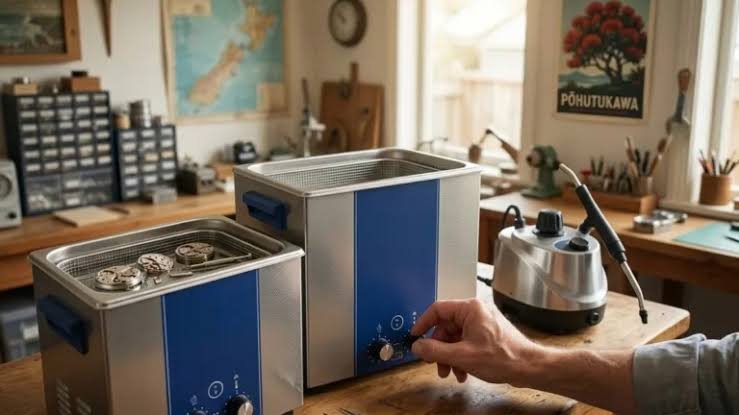
Precision instruments require careful cleaning because small residues can affect readings, movement, seals, or surface condition. An ultrasonic bath can reach narrow gaps that manual wiping may miss, yet the liquid choice remains critical. The correct formula depends on metal type, contamination, operating temperature, and required finish. A practical selection process helps technicians remove soil without causing corrosion, staining, swelling, or residue. Product instructions, safety data, and controlled testing should guide each decision.
Match the Formula to the Instrument
A suitable liquid must support the instrument’s material, soil type, and finish. ultra sonic cleaner solution should be assessed against stainless steel, aluminium, brass, plastics, glass, rubber, and coated surfaces. Compatibility checks help prevent dulling, etching, swelling, or colour change. For mixed loads, the safest option should suit the most sensitive component, not the strongest metal present.
Identify the Contaminant
Different residues require different cleaning action. Light dust and fingerprints may respond to a mild, low-alkaline product. Grease, machining oil, and carbon deposits often need stronger detergency. Mineral scale may require an acidic formula, although acids can damage susceptible metals. Protein residue requires another approach, especially in laboratory settings. A short soil assessment prevents the use of unnecessary chemical strength.
Check the Material List
Stainless steel generally tolerates many aqueous cleaners, provided concentration and exposure remain controlled. Aluminium needs greater care because high alkalinity can darken or pit its surface. Brass and copper may require a neutral or mildly alkaline product with suitable corrosion protection. Plastics, elastomers, adhesives, and painted finishes need separate checks. The supplier’s compatibility list should be compared with every component in the cleaning basket.
Review pH and Concentration
The pH range offers an early indication of possible material stress. Neutral formulas may suit routine maintenance, while alkaline products can cut oily deposits more effectively. Concentration also changes performance and risk. A stronger mixture is not automatically better, since excess residue may require extra rinsing. Technicians should follow the stated dilution ratio, record the amount used, and avoid untested adjustments.
Set Temperature and Time
Heat can improve soil removal, but excessive temperature may harm seals, coatings, plastics, or sensitive alloys. Many cleaning tasks work within a moderate range, often around 40 to 60 degrees Celsius, depending on the product and instrument. Short cycles should be tested before longer exposure. A five-minute run can provide useful evidence without committing the full load to a potentially damaging process.
Consider Foam and Rinsing
Ultrasonic energy works best when bubbles can form and collapse freely. Heavy foam may reduce that action and obscure the parts during inspection. The selected liquid should therefore offer suitable low-foam behaviour for the equipment. Rinsing also matters because cleaner residue can attract dust or affect later lubrication. Clean water, followed by approved drying, helps protect the finished surface.
Read Safety and Storage Details
Safety data should be checked before purchase, transfer, or disposal. Key points include protective equipment, ventilation, skin contact measures, spill response, and storage temperature. The bath should never contain a chemical that lacks clear handling guidance. Labels should show product identity, dilution, date, and operator details. Accurate records support repeatable work and help staff trace changes if results decline.
Validate the Cleaning Result
A useful test measures more than visual brightness. Staff can inspect joints, threads, channels, and cavities for remaining soil after drying. Weight checks, white-cloth wipes, water-break observations, or magnified examination may provide additional evidence. Sensitive instruments may also need calibration checks after processing. Results should be recorded across several cycles, since one successful load cannot confirm long-term compatibility.
Conclusion
Selecting an ultrasonic cleaning liquid requires a balance between soil removal, material protection, operator safety, and repeatable results. Instrument composition should guide the first screening step, followed by checks for pH, dilution, temperature, foam, and rinsing needs. Small trials can reveal staining, residue, or surface changes before routine processing begins. With clear records and measured validation, technicians can establish a cleaning method that protects valuable instruments and supports dependable performance.