

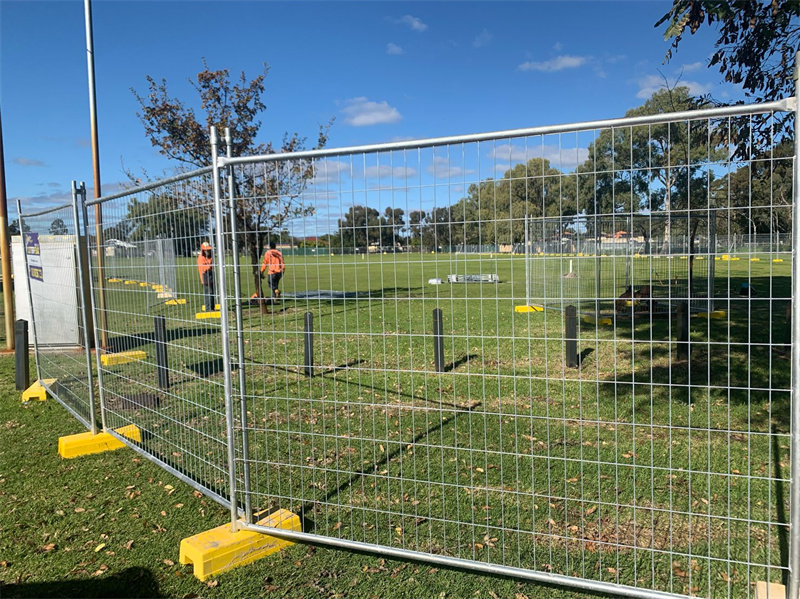
Construction sites change quickly as crews, deliveries and equipment move across shared spaces. Open boundaries expose pedestrians to hazards and leave tools, materials and unfinished work vulnerable after hours. Temporary fencing creates a visible perimeter, separates public access from active work, and gives site managers control over entry points. Its value depends on placement, upkeep and daily coordination, so the site plan should treat fencing as a working safety measure rather than a one-time installation.
Set a Clear Site Boundary
In built-up areas, the boundary must account for footpaths, driveways and neighbouring properties as well as the work zone. Planning temporary fencing in Melbourne starts with mapping pedestrian routes and vehicle access before panels arrive. Place gates away from blind corners, keep delivery areas clear of public paths, and preserve access for emergency crews and authorised workers.
A fence line works best when it follows the actual work area, not simply the property edge. Mark excavation zones, temporary storage and access routes on a site plan, then position panels to prevent public shortcuts into hazardous areas. Keep the line continuous where practical, with gates shut when unattended and any unavoidable opening watched during active work.
Control Entry and Movement
A perimeter only controls access when entry points are deliberate. Keep the number of gates suited to site operations, and place them where workers can see approaching visitors. Separate pedestrian gates from vehicle entrances where the layout allows. Clear signs should identify the site contact, restricted areas and required entry procedure.
Workers should close gates after each movement and challenge unfamiliar visitors through the site’s agreed process. A delivery plan can direct drivers to a waiting point, reducing the chance that vehicles queue across footpaths or enter active work areas. A simple sign-in process records who is on site and identifies visitors who need an escort.
Protect Pedestrians and Neighbours
A fence protects the public by creating distance from plant, materials and uneven ground. It should not narrow a public route or block a crossing sightline. Before installation, check footpaths, building entrances, bus stops and driveway access beside the work area.
Where the site fronts a busy path, clear wayfinding can guide people around the work zone. The route should remain passable and free from stored materials. Site managers should respond promptly to complaints about blocked access, loose panels or openings beneath the fence. If a diversion is needed, direct pedestrians before they reach the obstruction, rather than relying on them to find another way.
Account for Changing Conditions
Weather, excavation and staged works can change the demands on a fence. Wind loads rise when covers or mesh are attached, while soft or uneven ground affects support. The layout and bracing should suit the ground and exposure, based on the fencing system’s instructions and project requirements.
Site teams should reassess the perimeter after heavy weather, nearby excavation or a major shift in site traffic. Move or reinforce sections before work resumes beside them, and keep temporary openings controlled until the revised arrangement is secure. Check how added material or moved supports affect the fence system and the site’s safety plan before making changes.
Inspect Panels and Gates
Daily checks catch issues before a small gap becomes an access route. Walk the full perimeter at the start of each shift and after deliveries or weather changes. Look for displaced panels, loose connections, damaged feet, leaning sections and gates that do not latch.
Record faults, their location and the time they were found, then assign repairs to a named worker. Keep the affected area closed until the fence is stable again. Check matters around corners, sloping ground and places where machinery moves close to the boundary. Photographs can show the condition and location, while the written repair record confirms when the issue was closed.
Coordinate Fence Work With Schedules
Fence installation, relocation and removal should follow the construction sequence. Before a work area changes, identify who will approve the new boundary and how crews will reach tools, waste points and amenities. A revised plan prevents workers from creating informal gaps when a route changes.
Tell subcontractors about gate locations and temporary closures during daily briefings. When the site expands, contracts or hands over, update the site plan and communicate the change before crews begin. Remove panels only when the hazard behind them has ended, and access controls no longer depend on the barrier. Assign one person to each change to avoid an open gate or missing section between shifts.
Conclusion
Temporary fencing works when it reflects the real risks and daily movement of a construction site. A clear boundary, controlled gates, pedestrian routes and regular inspections limit unsafe access and reveal faults before they spread. The practical next step is to walk the perimeter with the site supervisor, compare it with current works and mark every change that needs action. Revisit that check whenever the work stage, ground conditions or public routes change.